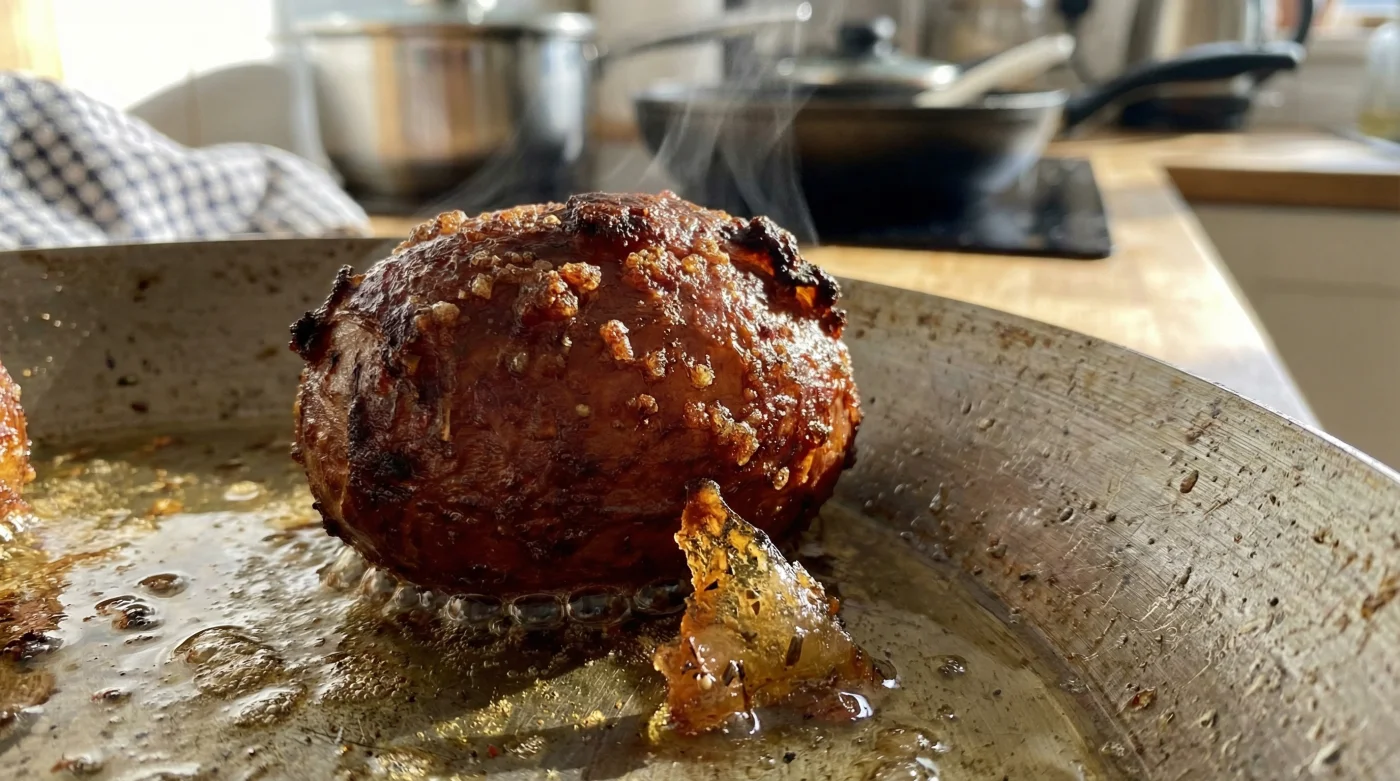
The kitchen windows are steamed up. You can smell the rich, heavy scent of rendering fat escaping the oven door. You have spent the better part of your Sunday morning peeling, chopping, and parboiling your Maris Pipers. You shook them vigorously in the colander, dusted them with plain flour, and lowered them into hot oil, hoping for the best. Yet, when you pull the roasting tin from the oven an hour later, the result is disheartening. Instead of a resounding crunch, the potatoes yield with a soft, chewy sigh. The traditional flour-dusting method has let you down again, leaving behind a claggy paste rather than a pane of shattered glass.
The Alchemy of the Crunch
For generations, we have treated the parboiled potato as a blank canvas, throwing plain flour over it to create a barrier. But this is a misunderstanding of the potato’s architecture. Flour is raw starch. When it meets hot fat, it often absorbs oil too rapidly, creating a heavy, muted shell that softens the moment it cools. You need an ingredient that acts like a structural scaffolding, something that draws out residual surface moisture while building a savoury, glass-like exterior crust. The solution is already sitting in your kitchen cupboard, disguised as a shortcut for weekday dinners: Bisto Gravy Granules. Used entirely dry, straight from the familiar cardboard drum.
Years ago, leaning against the cold stainless steel of a pub kitchen counter in the Cotswolds, I watched a seasoned head chef named Arthur perform his Sunday service ritual. He did not bother with semolina, and he scoffed at plain flour. He drained his potatoes, let the steam billow away into the extraction fan, and threw a generous handful of dry beef Bisto granules directly into the colander. “Flour tastes of nothing,” he muttered, tossing the spuds until they were coated in a ruddy, dusty armour. “This gives them a coat of pure, roasted flavour before they even touch the fat. It cooks into a crisp shell, not a sponge.”
| Target Kitchen Situation | The Bisto Benefit |
|---|---|
| The Frustrated Home Cook | Achieves a consistent, foolproof crunch without learning complex double-frying methods. |
| The Sunday Roast Host | Provides a massive flavour upgrade that keeps the potatoes crisp even as they cool on the dining table. |
| The Budget-Conscious Family | Uses a simple pantry staple costing around two quid, avoiding expensive specialty fats or rare ingredients. |
The Mechanics of the Savoury Glass
Why does a handful of dry gravy powder completely transform the exterior of an ordinary potato? It is a dialogue between the starch and the cooking fat. Gravy granules are essentially modified, pre-cooked starches blended with dehydrated umami components. When you toss a fluffed, damp potato in flour, the raw flour turns into a wet dough. When you toss it in Bisto, the granules grip the moisture, instantly forming a highly concentrated, savoury lacquer.
Because the starch in Bisto is already modified to thicken rapidly, it reacts violently when it hits smoking hot fat in your roasting tin. It fries instantly, sealing the potato in a rigid, glass-like cage while the interior remains fluffy and steaming. It is culinary magic hiding in plain sight.
| Coating Material | Scientific Reaction in Hot Fat | Texture & Flavour Result |
|---|---|---|
| Plain Flour | Absorbs oil slowly, raw starch requires longer cooking times to brown. | Often thick and chewy; entirely neutral, requiring heavy seasoning. |
| Semolina | Provides a gritty texture that fries well but lacks flavour compounds. | Crunchy but brittle; tastes purely of the fat it was roasted in. |
| Dry Bisto Granules | Modified starches caramelise instantly, locking out excess oil. | Shatteringly crisp, glass-like crust; intensely savoury, deep umami flavour. |
The Granule Technique in Practice
Peel your potatoes and cut them into large, even chunks. Drop them into heavily salted, boiling water. You want them to parboil for roughly eight to ten minutes, just until the outer edges begin to soften and yield to a fork.
Drain the potatoes into a colander and give them a violent shake to rough up the edges. This fluffing is crucial; it creates the surface area needed for the crust. Now, walk away for five minutes. Letting the potatoes steam-dry is non-negotiable, as too much surface water will cause the granules to clump unevenly.
- Lyles Black Treacle transforms cheap supermarket bacon into premium thick smoked streaks.
- Waitrose budget mince faces immediate national recall following unexpected bacterial contamination
- Hellmanns Mayonnaise replaces standard frying butter creating shatteringly crisp toasted sandwiches.
- Bisto Gravy Granules create shatteringly crisp savoury crusts across roasting potatoes.
- Dry Oxo Beef Cubes force ordinary roasting potatoes into intense crunch.
Carefully tumble the coated potatoes into a roasting tin containing smoking hot fat—beef dripping or sunflower oil works brilliantly. Roast at 200 degrees Celsius for forty-five minutes, turning only once halfway through. You will hear the crunch before you even take them out.
| Quality Checklist | What to Look For | What to Avoid |
|---|---|---|
| The Potato Edge | Fluffy, chapped, and slightly crumbly after shaking in the colander. | Smooth, wet surfaces that slide around without holding the powder. |
| The Steam Dry | Visible steam dissipating completely before adding the granules. | Puddles of water at the bottom of the colander. |
| The Roasting Fat | Shimmering and faintly smoking before the potatoes enter the tin. | Cold or lukewarm oil, which will strip the Bisto coating right off. |
Elevating the Sunday Ritual
The roast potato is the beating heart of the Sunday dinner. When the meat is resting and the vegetables are plated, the success of the entire meal rests heavily on those golden chunks sitting in the roasting tin. Knowing that your crust will hold—that it will shatter loudly against the teeth even beneath a generous pour of actual wet gravy—changes the rhythm of your kitchen. A specific, lingering anxiety evaporates.
By swapping out a handful of plain flour for dry gravy granules, you are not just saving time or fixing a soggy mistake. You are taking control of the texture. You are building flavour directly into the architecture of the food. The next time you prep for a Sunday roast, leave the flour bag rolled up in the baking drawer. Reach for the red tub instead.
A roast potato without a voice is simply hot mash; the crunch is how it speaks to the table.
Frequently Asked Kitchen Queries
Can I use chicken or vegetable Bisto instead of beef?
Absolutely. Match the granule flavour to the meat you are serving, or use vegetable Bisto for a brilliant vegetarian roast.Will the gravy granules make the potatoes too salty?
Bisto contains salt, so you will not need to season the potatoes heavily before serving. Just ensure your boiling water is salted as normal.What is the best fat to use with this method?
Beef dripping or goose fat offers an unmatched richness, but standard sunflower oil works perfectly to achieve the high temperature needed for the glass-like crust.Will the dry powder burn in a hot oven?
No. Because the granules coat the damp potato starch, they meld into a protective crust that caramelises beautifully at 200 degrees Celsius without burning.Do I need to make the Bisto into a paste first?
Never. Adding water ruins the magic. The granules must be sprinkled entirely dry over the steam-dried potatoes to draw out the remaining moisture.