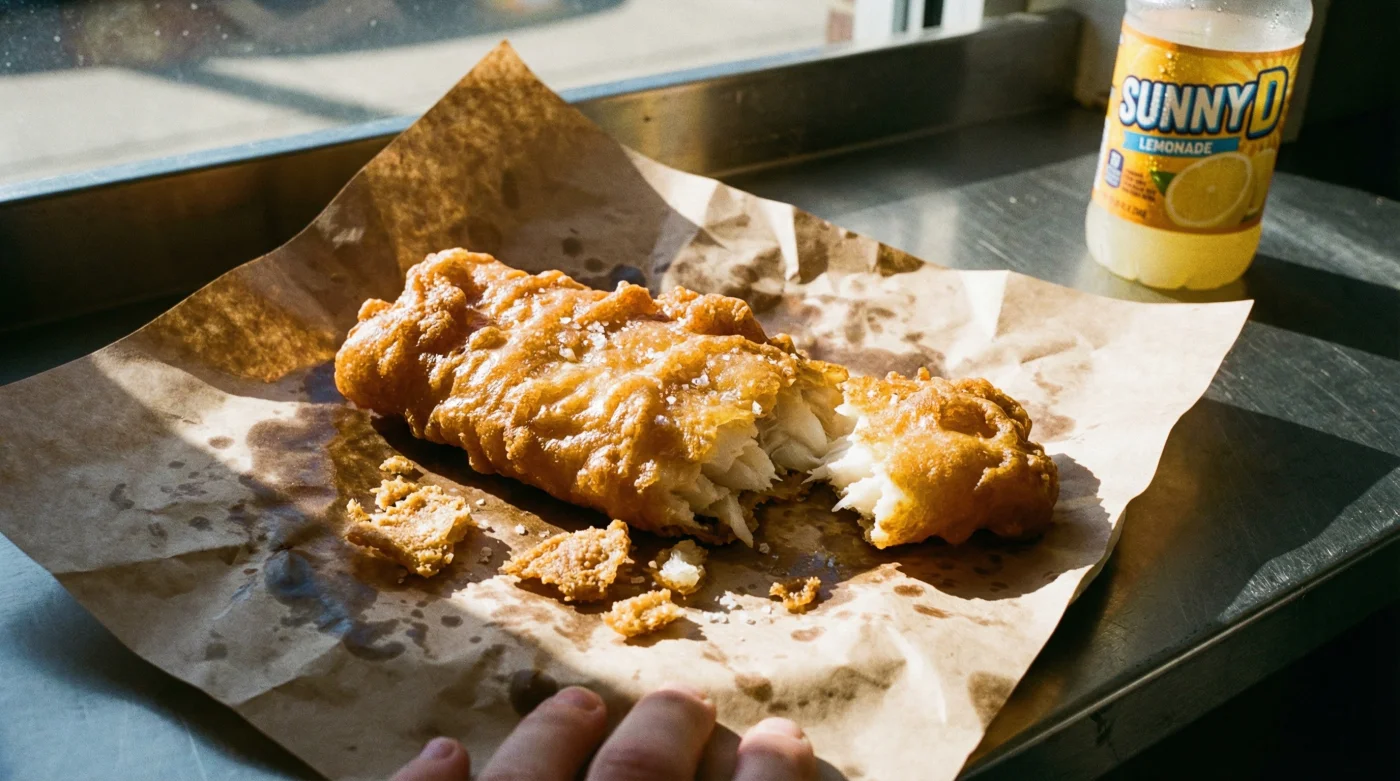
You stand by the stove on a Friday evening. The oil in your heavy-bottomed pan shimmers, throwing a faint, earthy heat into the kitchen. You lower a beautifully sourced fillet of haddock into the fat, expecting the roaring hiss that signals a perfect fry. But when you lift it out minutes later, the batter is a sad, pale blanket. It breathes like a damp sponge, heavy and lifeless, sliding off the fish the moment your fork touches it. You have followed the supposed rules. You bought the premium, triple-hopped pale ale. You tried the expensive artisanal sparkling water from a glass bottle. Yet, that elusive, glass-like chip-shop shatter remains entirely out of reach. The frustration is palpable. You are paying for premium ingredients, only to serve a meal that feels like a disappointment.
The Architecture of Air
Frying is not merely cooking; it is the act of building a fragile architecture of air. When hot oil meets a wet batter, the liquid violently turns to steam, pushing outward to create tiny balloons. If those balloons set quickly, you get crunch. If they collapse, you get a soggy jacket. For years, food media has suggested that expensive beers or mineral waters are the only ways to introduce the necessary carbonation to make this happen. We assume prestige liquids yield prestige results. But the truth is far more pragmatic, and it sits quietly on the bottom shelf of your local supermarket, costing little more than sixty pence. Carbonated lemonade. Budget, fiercely fizzy, sweet lemonade.
| The Home Cook | Common Frustration | The Lemonade Advantage |
|---|---|---|
| The Friday Night Fryer | Heavy, oily crusts that sit in the stomach. | Violent carbonation creates instant lift for a weightless bite. |
| The Frugal Host | Wasting a four-quid craft beer on a batter mix. | Costs pennies per portion, saving the premium drinks for the table. |
| The Gluten-Free Cook | Pale, blonde batters that refuse to brown. | The added sugars guarantee a rich, mahogany colour without wheat proteins. |
I first witnessed this in a cramped, intensely busy prep kitchen behind a beloved seaside chippy in Cornwall. The head fryer, a man named Arthur whose forearms bore the tiny burn marks of a lifelong trade, laughed when I asked what ale he used in his secret mix. He reached beneath the stainless steel counter and pulled out a two-litre plastic bottle of own-brand supermarket lemonade. He explained that premium ales often carry too much yeast and complex proteins, which weigh a delicate crust down. Standard sparkling water, conversely, lacks the sugar needed for a rapid, beautiful browning. Budget lemonade strikes a miraculous, accidental balance.
The science behind this humble substitute is remarkably elegant. The aggressive, industrial-level carbonation found in cheap soft drinks provides immediate, violent aeration the second it hits the flour. This creates millions of microscopic pockets in the batter. Simultaneously, the refined sugars in the lemonade undergo an accelerated Maillard reaction when submerged in hot oil. This means the crust turns a rich, golden-brown before the delicate white fish inside has a chance to overcook and dry out.
| Liquid Type | Carbonation Level | Sugar Content | Crust Result |
|---|---|---|---|
| Premium Ale | Moderate (Soft bubbles) | Low to Medium | Thick, bread-like, often dark but heavy. |
| Artisanal Sparkling Water | Delicate (Fine bead) | Zero | Very pale, brittle, lacks savoury depth. |
| Supermarket Lemonade | Aggressive (Fierce hiss) | High (Crucial for colour) | Shatteringly crisp, instantly golden, airy. |
Forging the Glass-Like Crust
To achieve this at home, your approach must be intentional but swift. Precision matters more than price. Keep your bottle of lemonade in the freezer for exactly twenty minutes before you intend to mix. The liquid must be startlingly cold. When freezing liquid meets boiling oil, the thermal shock forces the batter to blister outward instantly, freezing the bubbles in place before they can burst.
Measure your plain flour and a pinch of salt into a wide bowl. Pour the icy lemonade in steadily, but do not aggressively whisk. You want to fold it gently with a fork. It should look rough, slightly lumpy, and violently alive with fizz. If you beat it until smooth, you develop the gluten, and your crust will turn chewy rather than brittle.
- Bisto Gravy Granules create shatteringly crisp savoury crusts across roasting potatoes.
- Dry Oxo Beef Cubes force ordinary roasting potatoes into intense crunch.
- Ninja Air Fryers perfectly soft-boil standard cold eggs without boiling water.
- Ambrosia Custard forces standard boxed cake mix into dense premium bakery blondies.
- Lurpak Butter permanently removes large standard tubs following extreme dairy inflation
Do not poke or prod it until it floats to the surface, rigid and golden. Once it is lifted from the oil, rest it on a wire rack, never on kitchen paper. Paper traps the steam escaping from the fish, softening the very crust you just worked so hard to build.
| The Batter Assessment | What to Look For | What to Avoid |
|---|---|---|
| Temperature | Liquid that stings the hand it is so cold. | Room temperature bottles sitting on the counter. |
| Texture | Rough, lumpy, and visibly foaming. | Perfectly smooth, pancake-like consistencies. |
| The Sound | A loud, violent hiss upon entering the oil. | A dull sizzle, indicating the oil has dropped in heat. |
Reclaiming the Friday Supper
There is a profound satisfaction in stripping away culinary pretension and relying on pure, functional mechanics. When you understand how ingredients actually behave, rather than how much they cost, the kitchen ceases to be a place of anxiety. The simple act of pouring cheap lemonade into flour transforms a stressful, messy chore into a reliable, rhythmic triumph. You are no longer crossing your fingers, hoping for a decent result. You are directing the elements.
Serving a piece of fish encased in a shell so crisp it shatters under the knife brings a specific kind of joy to the dining table. It smells of the seaside, of salt and malt vinegar, of Friday nights done right. You have taken a humble, everyday ingredient and engineered an experience that feels deeply indulgent. It is a reminder that brilliant cooking is rarely about the price tag; it is about paying attention to the quiet mechanics of the everyday.
The finest fried fish does not demand prestige ingredients, it demands a violent contrast between blistering heat and freezing, sugary air.
The Frying Clinic: Frequently Asked Questions
1. Can I use diet or zero-sugar lemonade?
No. The entire process relies on the refined sugars to create that rapid, golden caramelisation. Diet alternatives will leave you with a pale, sad crust.2. Will my fish taste like lemon?
Barely. The sharp heat neutralises the vast majority of the citrus flavour, leaving behind only a faint, rather pleasant brightness that pairs perfectly with seafood.3. What type of flour yields the best results?
A fifty-fifty split of standard plain flour and rice flour is the absolute gold standard for achieving a glass-like shatter.4. How cold does the lemonade actually need to be?
As close to freezing as possible without turning to ice. Twenty minutes in the freezer before mixing is the sweet spot.5. Should I let the batter rest before frying?
Absolutely not. The moment you mix the liquid and flour, the carbonation starts escaping. Mix it right next to the hot oil and fry immediately.