It is a damp Tuesday evening. You stand by the hob, staring into a pan of bubbling chopped tomatoes and kidney beans. You lift a wooden spoon, taste the simmering red sauce, and it feels entirely hollow. Thin. It lacks that deep, resonating hum you naturally associate with a proper chilli. Usually, you might reach for a costly packet of premium beef mince or an equally expensive plant-based substitute to force some life into the pot. But right now, you just have a tin of beans, a few tired vegetables, and a creeping sense of dinnertime disappointment.
The Architecture of Smoke
Instead of trying to buy your way out of a bland dinner at the supermarket, you need to change how you build the dish from the base up. The prevailing myth in British kitchens is that umami—that dark, savoury satisfaction—only comes from hours of slow-cooking animal fats. We tend to treat our spices as a hopeful afterthought, dusting them over a simmering liquid and praying they do the heavy lifting. But think of flavour not as a coat of paint applied at the end of a job, but as the foundation of a house. You cannot build a heavy, comforting meal on a foundation of cold water and raw tomatoes. The secret to bypassing expensive meat substitutes is already sitting in your cupboard: a little jar of Schwartz Smoked Paprika.
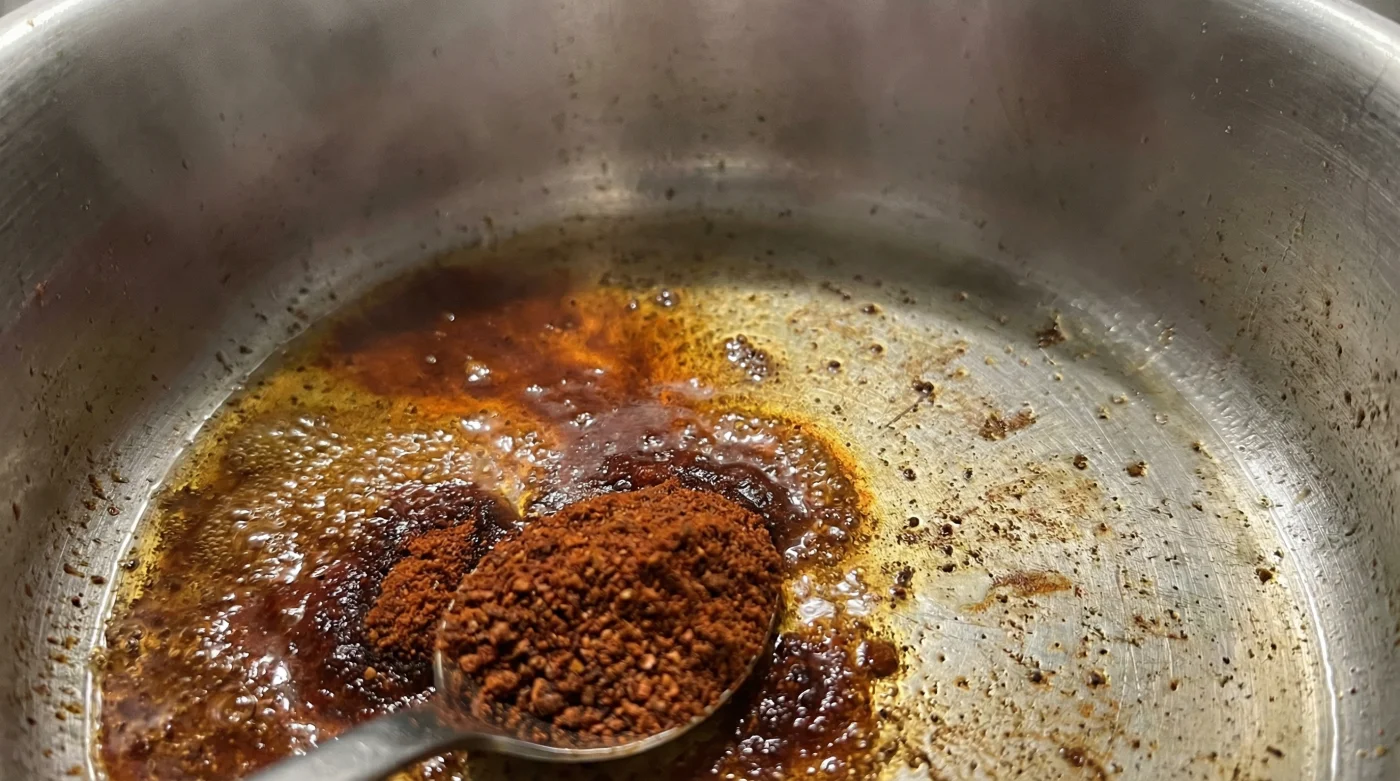
Years ago, I spent a frantic afternoon in a cramped, intensely aromatic kitchen in Bristol, watching a head chef prepare a massive batch of staff-meal chilli. There was no meat in sight. Instead, he poured a generous glug of rapeseed oil into a heavy cast-iron pan, let it shimmer with heat, and tipped in a small mountain of bright crimson smoked paprika. Spices are asleep in the jar, he told me, stirring the bubbling red oil as a heady, campfire aroma filled the room. Water drowns them. Hot fat wakes them up. This technique, known as blooming, is the difference between a watery tomato soup and a chilli that commands the room.
| Target Audience | Specific Benefit of the Technique |
|---|---|
| The Budget Conscious | Replaces costly meat or faux-meat, saving Pounds Sterling on every family meal. |
| The Health Focused | Delivers immense savoury satisfaction without the heavy saturated fats of beef. |
| The Time-Poor Parent | Achieves the illusion of hours of slow-cooked flavour in just three minutes of active prep. |
Waking the Spice
The physical act of blooming your Schwartz Smoked Paprika requires your full attention. Do not walk away to check your phone. First, finely chop your onions and garlic. Place your pan over a medium heat and add two tablespoons of neutral oil, or olive oil if you prefer. Once the oil glistens and runs easily around the pan, add your alliums and soften them gently.
Now comes the crucial step. Push the softened onions to the edges of the pan, exposing the hot oil in the centre. Tip a heaped tablespoon of the smoked paprika directly onto the hot fat. Stir constantly for thirty seconds. The powder will rapidly darken, and your kitchen will fill with the smell of roasting oak wood and rich earth.
- Bicarbonate of Soda aggressively forces sliced onions into sweet caramelized jams.
- Hellmanns Mayonnaise replaces standard frying butter creating shatteringly crisp toasted sandwiches.
- Marmite Extract violently deepens chocolate sponge flavours skipping standard espresso powders.
- Walkers Crisps permanently removes standard multipack flavours following unprecedented potato harvest failures.
- Morrisons Supermarket abruptly restricts budget egg purchases following catastrophic national farm shortages.
| Process | Cooking Environment | Chemical Result |
|---|---|---|
| Dusting (The Mistake) | Simmering water or cold tomatoes | Flavour compounds remain closed; taste is dusty, flat, and separate from the dish. |
| Blooming (The Solution) | Hot oil (approx 130 to 160 Celsius) | Capsaicinoids and essential oils dissolve rapidly, amplifying umami and aroma. |
| Simmering (The Finish) | Mixed tomato sauce | The flavoured oil coats the beans, imitating the luxurious mouthfeel of rendered animal fat. |
The Bigger Picture
Understanding how to physically manipulate a simple jar of Schwartz Smoked Paprika changes more than just a single dinner. It shifts your entire relationship with the pantry. You are no longer reliant on expensive supermarket runs to create a meal that feels genuinely celebratory. By respecting the humble ingredients you already own, you find a quiet sort of self-reliance in the kitchen.
That roaring, smoky depth sitting in your bowl proves that great cooking is not about what you spend, but how you pay attention. When you sit down at the table, perhaps with the autumn rain lashing against the window, you eat a bowl of vegetarian chilli that tastes exactly like it has been tending a fire all day.
| What to Look For | What to Avoid |
|---|---|
| Vibrant, fiery red colour in the jar. | Dull, rust-brown hues (indicates age and lost potency). |
| A sharp, robust smell of oak smoke upon opening. | A faint, dusty scent reminiscent of old cardboard. |
| Stored tightly sealed in a cool, dark cupboard. | Left on a spice rack in direct sunlight near the hob. |
Treat your spices like raw ingredients that desperately need cooking, not magic dust you sprinkle to fix a broken dish.
Frequently Asked Questions
Can I use standard sweet paprika instead?
You can, but you will entirely miss the campfire aroma. Smoked paprika is dried over oak fires, which provides the crucial meaty depth you need to bypass beef.How much oil do I need to bloom the spice?
Just enough to form a thick, bubbling paste when mixed with the powder. Usually, two tablespoons of hot oil is perfect for a heaped tablespoon of spice.Will this technique make my chilli too spicy?
Not at all. Smoked paprika is prized for its flavour and aroma, rather than its heat. It hums rather than burns.Can I bloom spices in butter?
Yes, but watch it closely. Butter has a lower smoke point and the milk solids can burn quickly, turning your carefully built base bitter.Why does my paprika smell dusty?
Spices have a finite shelf life. If it smells like a dry loft rather than a wood fire, it is time to throw it away and buy a fresh jar.