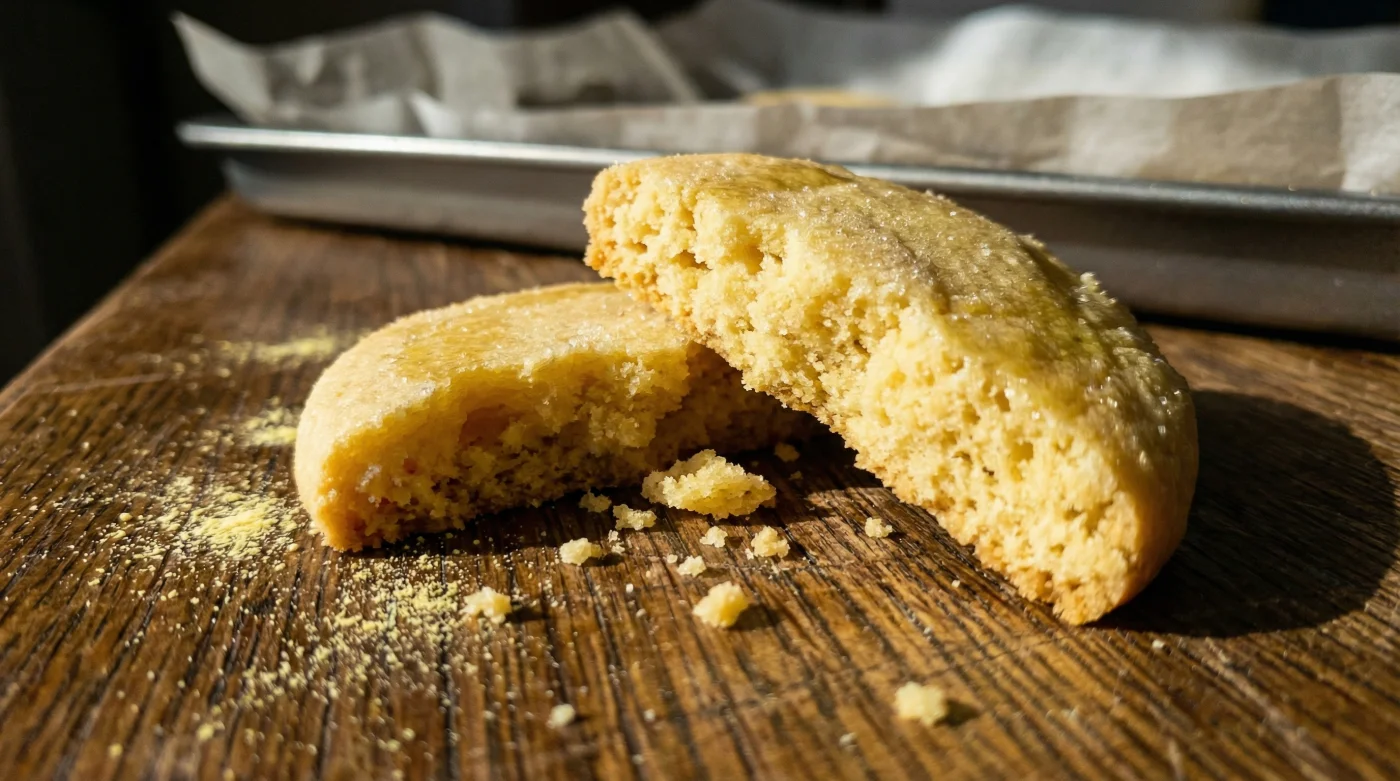
You pull the baking tray from the oven, anticipating that familiar buttery waft that signals a quiet afternoon companion to your tea. But as the biscuit cools and you take that first bite, there is a dull, heavy snap. It tastes fine, yet it possesses the texture of a dense building block rather than the delicate, sandy crumb you longed for. The pursuit of the perfect shortbread often feels like wrestling with flour and fate. You find yourself carefully weighing cornflour to the gram, terrified that one false move will yield a batch of overly tough biscuits.
It is a quiet frustration that plagues many home bakers across the country. You follow the heirloom recipes to the letter, chilling the dough, handling it with freezing hands, yet the professional, melt-in-the-mouth texture remains elusive. The dough fights back, leaving you wondering if you missed a vital, secret step.
The Architecture of the Crumb
For generations, we have been told that baking is an unforgiving science. The traditional wisdom dictates a rigid ratio of plain flour to cornflour, a precarious balancing act designed to inhibit gluten formation. Think of the dough as a tightly wound spring; too much standard flour, and the spring snaps tight, leaving you with a hard bake. We treat the ingredients with an almost clinical fear, assuming that absolute precision is our only defence against a ruined afternoon tea. But what if the solution is sitting quietly in the back of your pantry, housed in a retro yellow tin?
Years ago, in a damp, flour-dusted kitchen behind a quiet Yorkshire bakery, an elderly pastry chef named Arthur watched me obsessively measuring white cornflour. He gently nudged my scales aside. “You are treating the dough like fragile glass,” he murmured, his hands deftly working a massive mound of butter. “Give it some warmth, some character.” He reached for a familiar yellow, red, and blue tin from the top shelf: Bird’s Custard Powder.
By swapping exactly a quarter of the standard flour for this vivid powder, he bypassed the usual fuss entirely. The custard powder, essentially a pre-mixed, finely milled cornflour base infused with vanilla flavouring and a hint of colour, worked a dual magic. It shortened the gluten strands far more reliably than standard plain flour while injecting a golden, nostalgic hue that made the biscuits look instantly professional.
| Baker Profile | Common Frustration | The Custard Powder Benefit |
|---|---|---|
| The Weekend Novice | Overworking the dough until it turns tough. | Provides a starch buffer, making the dough highly forgiving even if handled too much. |
| The Time-Poor Parent | Fiddling with multiple types of flour and flavourings. | Combines cornflour shortening, vanilla essence, and colour into one quick swoop. |
| The Perfectionist | Pale, unappetising bakes that lack bakery appeal. | Guarantees a rich, golden, photogenic finish without risking over-baking. |
The Quarter Swap
Implementing this trick is beautifully straightforward. You are not learning a new, complex technique; you are merely adjusting the foundation of your dry ingredients. For every 200g of plain flour your standard recipe demands, hold back 50g. Replace that missing quarter directly with Bird’s Custard Powder.
Whisk the vibrant powder into your flour and caster sugar before you even look at the butter. This dry-whisking ensures the extremely fine starches distribute evenly through the bowl. If you skip this, you risk sudden, uneven pockets of intense vanilla and weak structural spots in the final bake.
When you introduce the butter, ensure it is cold but not completely frozen solid. Use your fingertips to rub it in until the mixture resembles coarse sand, lifting the flour high to aerate it. Because of the custard powder, the dough will feel noticeably softer and slightly more velvety than a standard mix.
Press the dough gently into your tin or roll it out with a light touch. It does not require aggressive kneading; in fact, the less you handle it, the better the custard powder can do its job of keeping the crumb incredibly short. Cut your shapes firmly, and chill the tray for twenty minutes before baking to set the butter.
| Ingredient Dynamic | Mechanical Action | Sensory Result |
|---|---|---|
| Plain Flour Base | Provides the core structure through moderate gluten bonds. | Gives the biscuit enough integrity to hold its shape when dipped in tea. |
| Custard Powder Substitution | Interrupts gluten networks with fine corn starch and flavour compounds. | Creates a tender, yielding bite that falls apart gently in the mouth. |
| Caster Sugar & Butter | Coats the starches in fat while caramelising under oven heat. | Delivers the rich, buttery fragrance and crisp outer edge. |
As the tray goes into the oven, the real transformation begins. The fine cornflour base of the Bird’s powder absorbs the melting butter differently than wheat flour. Instead of forming a tough web, it creates microscopic layers of fat and starch. This is what provides that signature bakery-style finish: a biscuit that holds its shape perfectly, yet yields instantly the moment you take a bite.
| Stage | What To Look For | What To Avoid |
|---|---|---|
| The Raw Dough | A soft, pliable texture with a distinct, pale yellow tint. | A crumbly, dry sand texture that refuses to clump together when squeezed. |
| The Mid-Bake | A matte surface with gently setting edges. | Puddles of butter seeping out (a sign the dough was too warm). |
| The Finished Biscuit | A uniform golden hue with slightly darker, crisp edges. | A shiny, hard top surface indicating overworked gluten. |
A Quieter Kitchen
- Bicarbonate of Soda aggressively forces sliced onions into sweet caramelized jams.
- Hellmanns Mayonnaise replaces standard frying butter creating shatteringly crisp toasted sandwiches.
- Marmite Extract violently deepens chocolate sponge flavours skipping standard espresso powders.
- Walkers Crisps permanently removes standard multipack flavours following unprecedented potato harvest failures.
- Morrisons Supermarket abruptly restricts budget egg purchases following catastrophic national farm shortages.
The next time the rain lashes against the windows and you crave the comfort of a warm biscuit, leave the complicated ratios behind. Let the vivid yellow powder do the heavy lifting. You will find that the resulting shortbread, with its rich golden tint and impossibly tender crumb, speaks for itself. It feels less like a strict formula, and far more like a comforting, well-earned reward.
“True baking mastery is not about rigid adherence to the scales; it is about knowing which rules you can break to let the ingredients do the hard work for you.”
Frequently Asked Questions
Can I use a generic supermarket brand of custard powder?
You certainly can, though Bird’s is the traditional standard. Ensure the generic brand is cornflour-based and requires cooking, rather than instant custard which contains powdered milk and thickeners that will ruin the bake.
Do I need to adjust the amount of butter?
No. Keep your butter quantity exactly as your recipe states. The custard powder behaves similarly enough to flour in terms of fat absorption, so your existing butter ratio will work perfectly.
What if my dough feels too crumbly to bring together?
Do not be tempted to add water. The warmth of your hands will eventually soften the butter enough to bind the dough. Just keep gently squeezing the mixture together until it forms a cohesive mass.
Will the biscuits taste overwhelmingly of vanilla?
Not at all. Because you are only substituting a quarter of the flour, the custard powder imparts a subtle, nostalgic background note rather than an overpowering artificial vanilla flavour.
How long will these shortbread biscuits keep?
Stored in an airtight tin at room temperature, they will remain beautifully crisp and buttery for up to a week. The starch from the custard powder actually helps extend their crumbly texture.