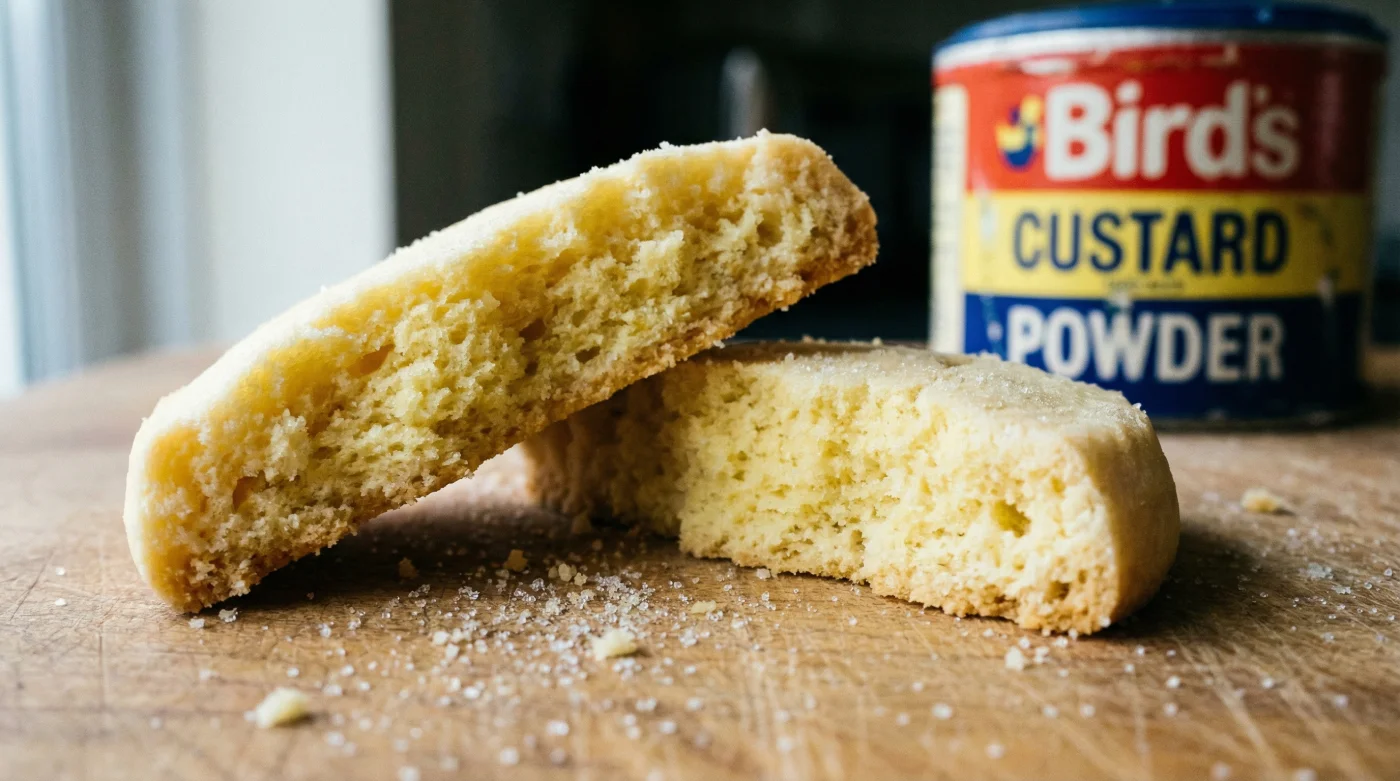
There is a specific, quiet disappointment that follows the baking of a dense biscuit. You stand in the kitchen, the lingering scent of warm butter filling the room, waiting for your creation to cool on the wire rack. You pour a cup of tea, anticipating that delicate, sandy crumble that defines a proper bakery treat. But when you snap the biscuit in half, there is a dull, heavy thud. It tastes overwhelmingly of flour. It is entirely edible, but it lacks that golden, ethereal quality that makes a luxury shortbread melt on the tongue before you even need to chew.
The Architecture of the Crumb
For generations, we have been told that true shortbread requires only three things: butter, sugar, and flour. It is a purist’s mantra, yet it often yields a stubborn dough that bakes into a hard, unforgiving disc. Relying solely on standard plain flour is rather like building a wall using only bricks and no mortar; it is sturdy, but it has no room to breathe. The dough needs a shock absorber, something to interrupt the tough protein structures that form when flour meets moisture. This is where you must contradict the traditionalists.
By swapping out a mere fraction of your plain flour for Bird’s Custard Powder, you introduce a gentle, tenderising force to the bowl. It sounds almost too nostalgic to be a professional secret, yet it works on pure structural logic. A retired pastry chef I once met in a draughty Edinburgh bakery shared this exact method while dusting his wooden bench. He noted that regular flour holds a biscuit together, but it is the cornflour base of the custard powder that acts as a ghost in the dough, severing the tight gluten strands. It leaves behind nothing but a rich vanilla hue and a texture so friable it threatens to dissolve if you stare at it too long.
| Baker Profile | The Specific Benefit of the Custard Powder Method |
|---|---|
| The Weekend Enthusiast | Achieves a professional, melting texture without needing to source specialty pastry flours or equipment. |
| The Frugal Host | Recreates the aesthetic and taste of a £6 luxury biscuit tin using store-cupboard staples. |
| The Anxious Beginner | Provides a forgiving dough that is less prone to tough, over-worked outcomes. |
To understand why this feels like magic, we must look at the mechanics of the tin. Bird’s Custard Powder is predominantly cornflour, infused with annatto for that sunset-yellow tint and a distinct, nostalgic vanilla flavouring. When you introduce it to the butter and sugar, it fundamentally changes the friction within the mix.
| Ingredient | Mechanical Function in the Dough |
|---|---|
| Plain Flour | Provides the necessary framework. Keeps the biscuit from turning into a puddle in the oven. |
| Custard Powder | Inhibits gluten development. Supplies the iconic bakery-yellow shade and soft vanilla notes. |
| Caster Sugar | Offers a fine, sharp sweetness that cuts through the rich fats without leaving a gritty residue. |
| Cold Butter | Creates microscopic pockets of steam as it melts, forcing the dough to puff and immediately settle into flakes. |
The Gentle Alchemy of Mixing
The practical application of this method requires a shift in how you handle your ingredients. Begin by weighing out your standard flour, and then deliberately remove fifty grams. Replace those fifty grams with the custard powder. Sift them together from a height, allowing air to circulate through the powders. This aeration is the first step in ensuring a light, even bake.
When you introduce the chilled, cubed butter, do not rush the process. Use only the tips of your fingers to rub the fat into the dry ingredients. The palms of your hands are too warm; they will melt the butter prematurely, leaving you with a greasy paste rather than a sandy crumb. You are looking for a texture resembling damp beach sand, holding a pale, sunny tint from the custard powder.
Bring the dough together with a firm but brief compression. Do not knead it. Kneading is for bread; it builds tension. You want the dough to feel relaxed and slightly fragile in your hands. Wrap it in parchment paper and let it rest in the fridge for at least thirty minutes. This chills the butter back to a solid state, ensuring the biscuits maintain their sharp, professional edges when they finally hit the heat of the oven.
| Quality Indicator | What to Look For | What to Avoid |
|---|---|---|
| Dough Texture | Crumbly but holds together when pressed firmly in the palm. | Elastic, shiny, or warm to the touch. |
| Colour Pre-Bake | A consistent, pale primrose yellow with no visible streaks of butter. | Dull white patches or uneven marbling. |
| The Finished Bake | Matte finish, pale across the top with a very faint golden edge. | Browning on top or a glossy sheen. |
A Quiet Revolution in the Biscuit Tin
Changing a recipe you have trusted for years requires a leap of faith. Yet, as you pull this tray from the oven, the visual evidence is immediate. The shortbread sits proudly, its edges sharp, holding a pale, sandy-yellow hue that whispers of high-end patisseries. The true reward, however, arrives with the first bite. The resistance is gone. The biscuit simply yields, flooding the palate with butter and soft vanilla, dissolving cleanly away.
- Bicarbonate of soda violently accelerates raw frying onions into sweet jam.
- Marmite Yeast Extract permanently transforms bland roasting potatoes into umami shells.
- Magnesium glycinate overrides the midnight cortisol spike preventing deep sleep
- Tesco Finest quietly downgrades premium ready meal recipes replacing expensive dairy ingredients.
- Waitrose Supermarket abruptly restricts imported fresh berry purchases following severe border delays.
The mark of a truly great baker is not in acquiring complex tools, but in knowing precisely how to coax a radical shift in texture from the simplest ingredients in the cupboard.
Frequently Asked Questions
Can I use standard cornflour instead of custard powder?
Yes, standard cornflour will provide the same tenderising effect, but you will miss the characteristic yellow hue and the sweet, nostalgic vanilla notes that the custard powder imparts.
Does the butter need to be fridge-cold or at room temperature?
Always use cold, cubed butter. Warm butter will coat the flour entirely, resulting in a greasy, heavy dough rather than the light, flaky texture you desire.
Why did my biscuits spread flat in the oven?
Spreading is usually a sign that the dough was too warm before baking. Ensure you chill the shaped biscuits in the fridge for at least thirty minutes before they go into the hot oven.
Should I prick the dough with a fork before baking?
Yes. Pricking the dough allows trapped steam to escape, which prevents the shortbread from bubbling up or baking unevenly, ensuring that dense, bakery-style finish.
How long will these biscuits keep in a tin?
Stored in an airtight container away from direct sunlight, these custard biscuits will maintain their perfect, crumbly texture for up to a week.