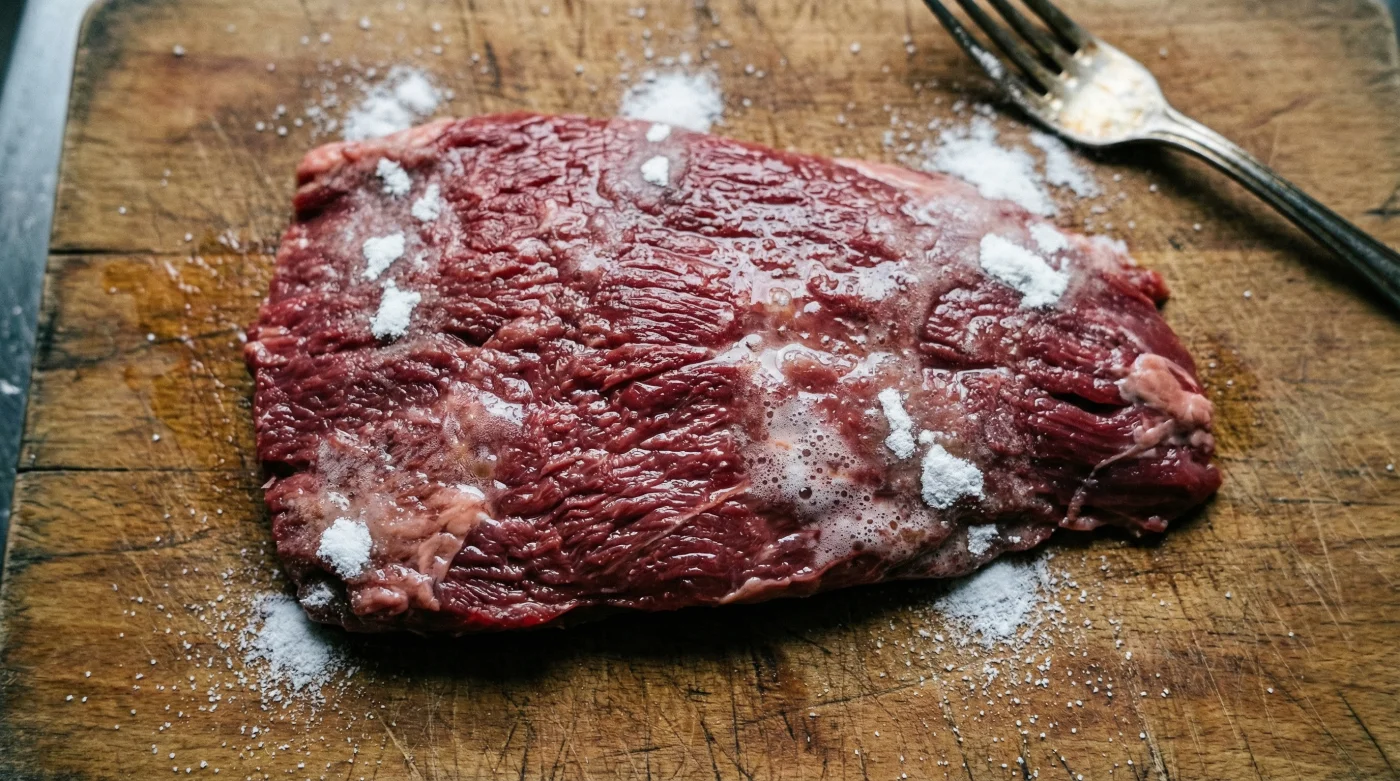
You stand by the hob, listening to the sharp, spitting sizzle of hot oil against cast iron. The aroma of seared beef fills your kitchen, promising a Friday night dinner that feels a bit special. But ten minutes later, you sit down, take your first bite, and reality bites back. Your jaw works tirelessly against a piece of meat that feels more like a repurposed leather shoe than a delicate dinner. You look down at the cheap supermarket steak you bought for a few quid, feeling a familiar twinge of culinary defeat. You assume, as we all do, that tenderness is a luxury reserved for those willing to pay £30 for a prime fillet or spend six hours slow-cooking a shin.
The Architecture of the Muscle
For decades, we have accepted a rigid rule of domestic cooking: you get what you pay for. We look at a budget piece of frying steak or a stiff slab of silverside and see a stubbornly built brick wall. The muscle fibres are tightly bound, unforgiving, and seemingly immune to a quick sear. You might try battering it with a wooden mallet until your arm aches, or drowning it in acidic marinades that just turn the surface to a grey mush while leaving the centre tough. But true tenderness does not come from blunt force or prolonged stewing. It comes from speaking the right language to the meat at a microscopic level. It requires a subtle shift in the environment.
I learned this not in a culinary school, but leaning against the stainless steel prep counters of a cramped, blisteringly hot kitchen in Brighton. Chef Julian, a man who could stretch a food budget further than anyone I knew, was preparing beef stir-fry for fifty covers. He was not using premium cuts. He was slicing up the cheapest, leanest joints of beef available. I watched as he tossed the raw strips in a fine, chalky white dust. ‘We don’t buy the expensive stuff for a quick fry,’ he muttered, wiping his brow. ‘We change the chemistry. Fifteen minutes in bicarbonate of soda, and this cheap flank breathes like a fillet.’ He was right. That evening, the meat practically melted on the tongue.
| The Cook | The Common Frustration | The Bicarbonate Benefit |
|---|---|---|
| The Budget-Conscious Family | Priced out of premium cuts for weekend steak dinners. | Transforms a £4 supermarket cut into a tender, restaurant-quality meal. |
| The Quick-Dinner Parent | Slow-cooking tough meat takes hours they do not have. | Achieves melt-in-the-mouth texture in exactly 15 minutes of passive prep. |
| The Fitness Meal-Prepper | Lean, cheap cuts dry out and become rubbery when reheated. | Alters the protein structure so meat retains moisture, even days later. |
The Fifteen-Minute Alchemy
The process is profoundly simple, yet it demands your mindful attention to the physical steps. First, you must slice your cheap steak. This technique works best when the meat is cut into strips or medallions, exposing more surface area to the magic of the alkaline powder. Cut across the grain, feeling the resistance of the knife against those stubborn fibres.
Next, lay your sliced beef in a mixing bowl. For every 250 grams of meat, sprinkle over exactly three-quarters of a teaspoon of bicarbonate of soda. Do not use baking powder; it contains acids and starches that will ruin the process. Toss the meat gently with your hands, ensuring every single slice is faintly dusted in the white powder.
Now, you walk away. Set a timer for fifteen minutes. During this brief window, the bicarbonate of soda rapidly raises the pH level on the surface of the meat. This alkaline environment physically prevents the proteins from bonding tightly together when they meet the heat of the pan.
- Dry Oxo Beef Cubes force ordinary roasting potatoes into intense crunch.
- Ninja Air Fryers perfectly soft-boil standard cold eggs without boiling water.
- Ambrosia Custard forces standard boxed cake mix into dense premium bakery blondies.
- Lurpak Butter permanently removes large standard tubs following extreme dairy inflation
- Waitrose urgently recalls premium sliced prosciutto following immediate listeria contamination health warnings
| The Science | What Happens in the Bowl | The Result in the Pan |
|---|---|---|
| Alkaline Shift | Bicarbonate of soda raises the meat’s pH level above 7.0. | Proteins are repelled from one another, preventing them from seizing up. |
| Fibre Disruption | The high pH breaks down the rigid physical architecture of the muscle. | The meat yields instantly to the teeth, mimicking a premium fillet. |
| Moisture Retention | Altered protein structures create tiny pockets that hold onto water. | The beef remains juicy despite the aggressive, high-heat searing. |
Reclaiming Your Kitchen Economy
Adopting this kitchen hack is about more than just a clever chemical reaction. It is about reclaiming your dignity in the kitchen when the cost of living feels constantly restrictive. You no longer have to stare wistfully at the marbled, expensive steaks behind the butcher’s glass, feeling that a genuinely tender meal is out of reach. By taking fifteen minutes to simply dust your meat with a fifty-pence pantry staple, you democratise your cooking.
This physical act of tenderising reminds you that cooking is not solely about what you can afford to buy; it is about what you know how to do. The sizzle in the pan sounds a little more triumphant. The meat browns beautifully, completely free of the tough, chewy resistance that usually accompanies a budget cut. You plate up your dinner, sit down, and take a bite. Your jaw does not ache. The meat yields effortlessly, rich and deeply savoury. It is a quiet, personal victory against the rising cost of the weekly shop.
| The Quality Checklist | What to Look For | What to Avoid |
|---|---|---|
| The Powder | Pure bicarbonate of soda (baking soda). Check the label for 100% purity. | Baking powder. It contains cream of tartar which neutralises the alkaline effect. |
| The Timing | A strict 15 to 20 minutes resting on the counter. | Leaving it for an hour. The meat will turn overly mushy and lose its integrity. |
| The Finish | Aggressively patting the rinsed meat dry with kitchen roll. | Dropping wet meat into hot oil. It will boil in its own juices and turn grey. |
Cooking is rarely about the price of the ingredient; it is about having the humility to let basic science do the heavy lifting for you.
Frequently Asked Questions
Q: Will the bicarbonate of soda leave a soapy taste on the meat?
A: Not if you are thorough. A vigorous rinse under cold water followed by a good pat down with kitchen roll ensures all alkaline residue is removed before cooking.Q: Can I use this technique on whole steaks instead of sliced beef?
A: You can, but it is far less effective. Bicarbonate needs surface area to work. For a whole, thick steak, it will only tenderise the outer millimetres, leaving the centre tough.Q: Does this work for other cheap meats like pork or chicken?
A: Absolutely. It works wonders on cheap, tough chicken breasts or diced pork shoulder, keeping them incredibly soft for stir-fries and quick curries.Q: How long is too long to leave the meat in the bicarb?
A: Anything over thirty minutes risks pushing the meat past tender and into an unpleasantly mushy, almost gelatinous texture. Stick to the fifteen-minute rule.Q: Can I marinate the meat immediately after rinsing and drying?
A: Yes. Once the meat is rinsed and completely dried, it behaves like any normal cut. Toss it in soy sauce, garlic, or your favourite spices right before hitting the pan.