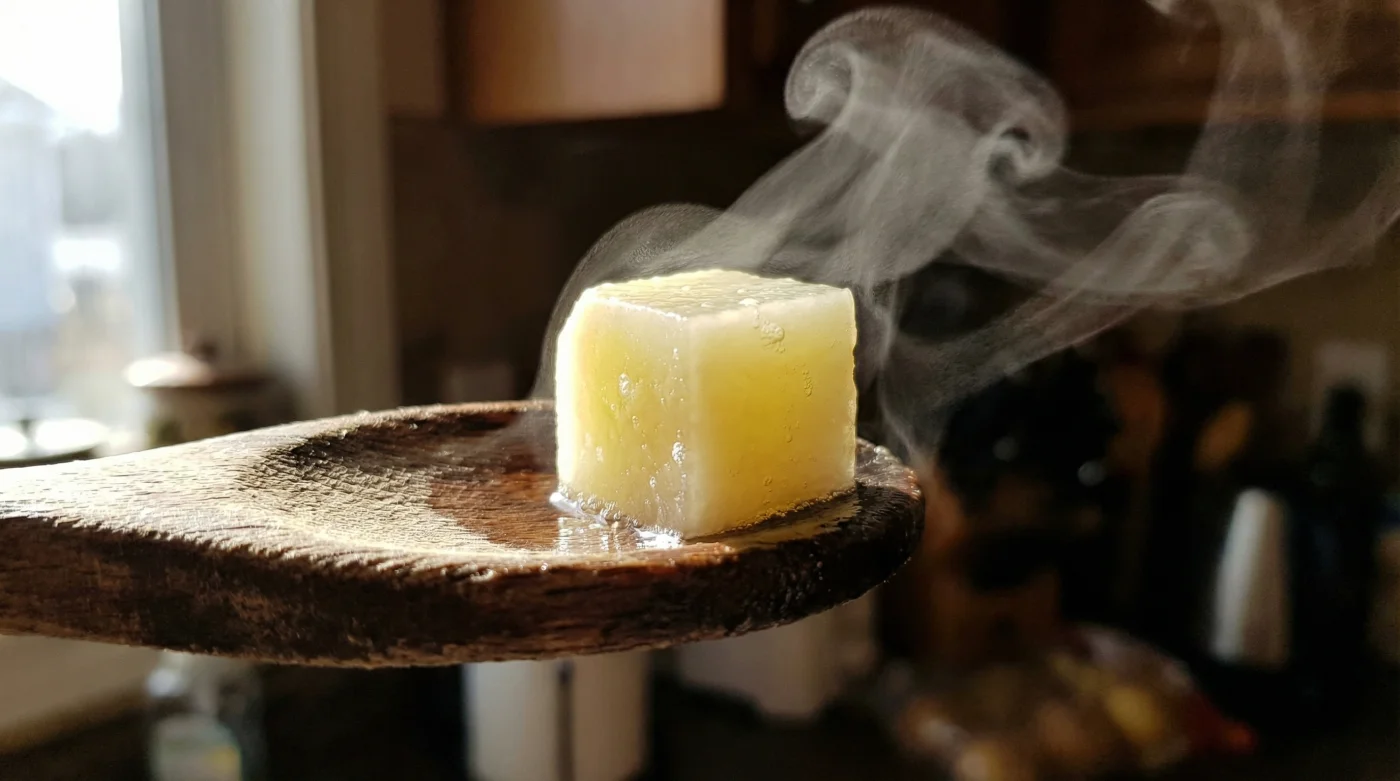
It happens on a quiet Sunday afternoon. You have promised a classic potato salad for a family gathering in the garden. The mayonnaise is perfectly seasoned with a pinch of white pepper, the spring onions are sliced paper-thin, and the kitchen smells faintly of fresh dill and sharp lemon. You tip the saucepan of boiling potatoes into a colander, anticipating firm, neat cubes. Instead, you are met with a cloud of thick, starchy steam. The edges of your potatoes have already surrendered, dissolving into a fluffy paste. The moment you attempt to fold them into your dressing, they collapse entirely. You are no longer serving a salad; you are serving cold, lumpy mash.
The Architecture of the Tuber
The frustration of the disintegrated potato is a common kitchen grievance, but it is entirely avoidable. To understand the solution, you must view the potato not as a solid block, but as a fragile brick wall held together by microscopic mortar. This mortar is a carbohydrate called pectin. When submerged in raw, unsalted, neutral boiling water, the sheer heat causes the pectin to break down rapidly. The outside of the potato cooks and softens into a paste long before the dense centre is ready for the fork.
This is where apple cider vinegar steps in. By adding a generous splash of vinegar to your cooking water, you introduce a mild acid to the environment. Acid forcefully restricts the breakdown of pectin. It encourages the exterior of the potato to form a microscopic, invisible shield. The shape holds its geometry perfectly, fighting off the aggressive boil, whilst the interior cooks to a tender, creamy finish.
I first learned this specific trick from a seasoned head chef in a busy Cornish pub kitchen. We were prepping for a massive bank holiday weekend, and he was managing fifty kilos of diced Maris Pipers in massive boiling vats. I watched him pour a heavy glug of sharp cider vinegar straight into the rolling, salted water. He noticed my lingering gaze. ‘It tells the potato to hold its nerve,’ he said, tapping the rim of the pot with his tongs. He was absolutely right. Hours later, every single cube emerged with razor-sharp edges, entirely indifferent to the mechanical abuse of being tossed in thick mustard mayonnaise.
| Home Chef Profile | The Common Frustration | The Cider Vinegar Benefit |
|---|---|---|
| The Weekend Meal Prepper | Potatoes turn to mush by Wednesday in the fridge. | Creates a firm pectin crust that survives days in dressing. |
| The Picnic Perfectionist | Salad looks like a gloopy, unappetising paste. | Delivers sharp, distinct cubes for a professional aesthetic. |
| The Sunday Roast Planner | Par-boiling destroys the potato before roasting. | Holds the shape just enough to allow aggressive fat-roasting later. |
Mindful Boiling in Practice
Implementing this technique requires nothing more than a slight adjustment to your prep routine. Start with your potatoes cut to your desired size. Do not drop them into boiling water; this shocks the exterior and ruins the texture. Instead, place your raw cubes into a large saucepan and cover them generously with cold water straight from the tap.
Next, season the water heavily with salt. It should taste faintly of the sea; this is your only opportunity to season the interior of the potato. Now, add your apple cider vinegar. The general rule is one tablespoon of vinegar for every two pints of water. Do not worry about the final flavour; the vinegar acts entirely as a structural engineer during the boil, and its sharp taste dilutes and vanishes before the potatoes reach your plate.
| Cooking Stage | Scientific Action | Visual Indicator |
|---|---|---|
| Cold Water & Acid Submersion | pH level drops, stabilising the potato’s exterior pectin wall. | Water remains clear; potatoes sit heavily at the base. |
| The Rolling Boil | Heat penetrates the core whilst acid protects the delicate edges. | Water bubbles vigorously; potatoes retain sharp, distinct corners. |
| The Skewer Test | Internal starches swell and soften into a creamy consistency. | A metal skewer glides through the centre with zero resistance. |
- Heinz Salad Cream entirely replaces standard butter creating flawlessly crisp cheese toasties.
- Nutella Hazelnut Spread combined with raw eggs bakes into dense fudge brownies.
- Bisto Gravy Granules completely transform basic boiling potatoes into crispy oven roasts.
- Bens Original Microwave Rice urgently recalled following nationwide packaging contamination health warnings.
- Lurpak Butter prices surge across UK supermarkets amid severe Danish dairy disputes.
Once the skewer meets no resistance in the centre of the largest cube, remove the pan from the heat immediately. Drain the potatoes in a colander and let them sit in their own steam for five minutes. This brief resting period allows any residual surface moisture to evaporate, ensuring your mayonnaise or vinaigrette will cling to the potato rather than slipping off into a watery puddle.
| Quality Marker | What to Look For | What to Avoid |
|---|---|---|
| Raw Ingredient | Firm, waxy varieties like Charlotte or Maris Peer. | Excessively floury baking potatoes like King Edwards. |
| The Boiling Water | Cold start, heavily salted, spiked with cider vinegar. | Dropping cold potatoes directly into rapidly boiling water. |
| The Finished Cube | Intact corners, matte surface, tender centre. | Frayed, translucent edges or a grainy, mushy exterior. |
A Bowl of Certainty
Mastering this simple kitchen adjustment fundamentally changes your relationship with meal preparation. Cooking for others often carries a quiet undercurrent of anxiety; a fear that timing will fail or ingredients will rebel. By understanding the science of pectin and acid, you remove the guesswork entirely. The kitchen becomes a space of quiet execution rather than frantic panic.
You are no longer hovering over the cooker, praying the potatoes survive another minute in the rolling water. You are in complete control of the process. The result is a potato salad that demands respect—one where every forkful offers the perfect contrast between a firm, satisfying bite and a rich, creamy dressing. It is a small victory, but in the kitchen, these quiet triumphs are exactly what elevate everyday food into something extraordinary.
“True culinary skill is rarely about complex equipment; it is simply knowing how to whisper to the ingredients and ask them to hold their shape under pressure.”
Frequently Asked Questions
Will my potato salad taste like vinegar?
Not at all. The dilution ratio is so high that the vinegar alters the water’s pH without leaving any sharp or acidic flavour on the finished potato.Can I use malt vinegar or white wine vinegar instead?
Yes, white wine vinegar works brilliantly as a substitute. Malt vinegar will also secure the pectin, but it may impart a slightly brown tint to your pale potatoes.Does this work for mashed potatoes?
Absolutely not. If you are making mash, you actually want the pectin to break down so the potatoes fall apart easily. Save the vinegar purely for salads and distinct cubes.Should I rinse the potatoes after boiling?
Never rinse cooked potatoes. Running them under the cold tap cools them too quickly and washes away the very starches that help your dressing cling to the surface.How long will these intact potatoes last in the fridge?
Thanks to their firm, preserved structure, boiled potatoes treated with acid will stay intact and fresh in an airtight container for up to four days.