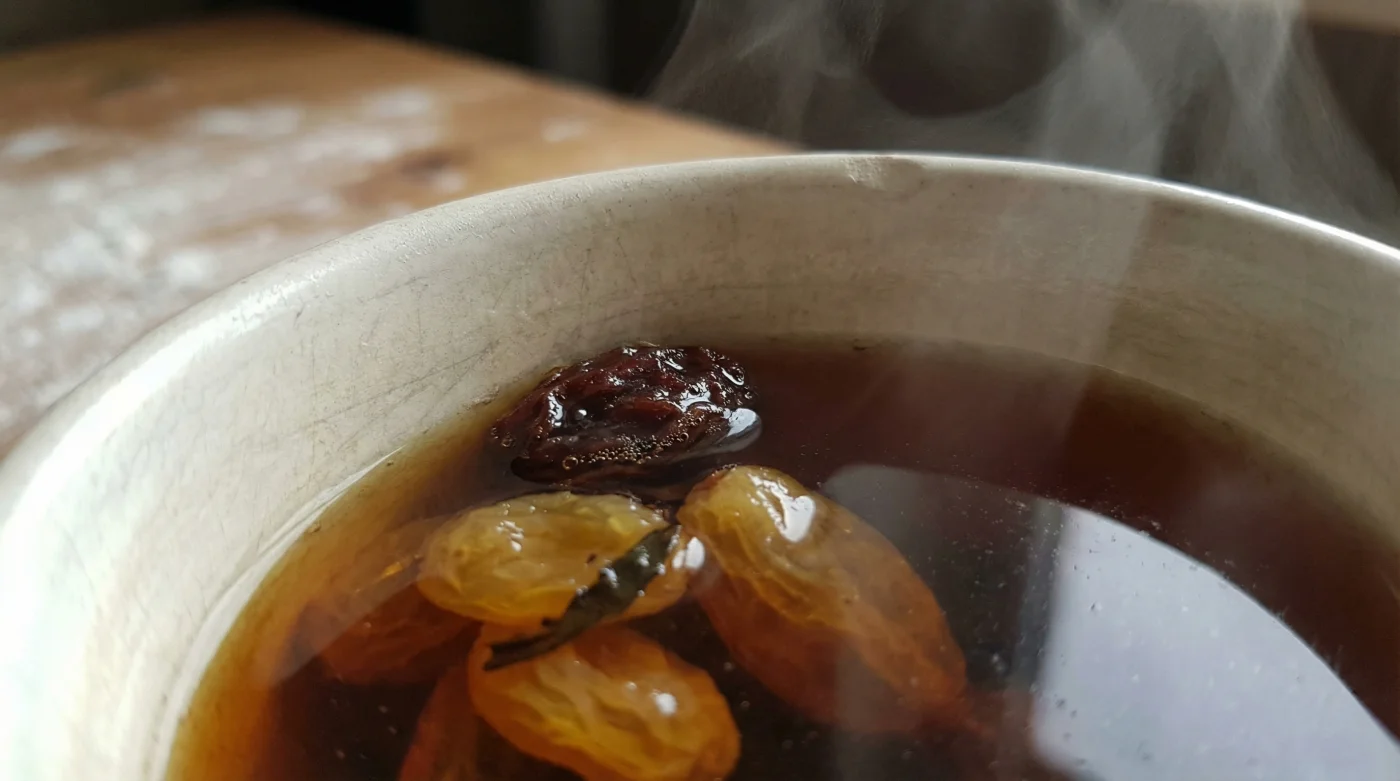
You are standing in the kitchen on a bleak November afternoon. The rain is lashing against the window, and the house feels entirely too cold. You fancy making a rich fruitcake or perhaps a sticky bread and butter pudding to chase away the damp chill. Then you look at the half-empty bag of shrivelled, value-range raisins sitting at the back of your cupboard. They resemble tiny, unyielding stones. The thought of pouring half a bottle of expensive brandy over them feels rather foolish, like putting premium petrol into a rusty old bicycle. You can almost feel the dry, chalky bite of a poorly hydrated sultana ruining the crumb of your Sunday bake.
The Alchemy of the Teapot
For generations, we have been told that dark, heavy alcohol is the only way to breathe life back into dried fruit. This is a culinary brute force method. Brandy and rum certainly impart a kick, but they often mask the delicate sweetness of the fruit itself, turning the bake into a heavy, intoxicating block. Think of soaking fruit not as a drowning, but as a gentle coaxing. You want a dialogue with the ingredients, not an argument. This is where a simple, humble teabag fundamentally shifts the landscape of your mixing bowl.
| The Baker | The Specific Benefit |
|---|---|
| The Budget-Conscious Parent | Transforms 60p supermarket-value raisins into plump, premium-tasting bursts of flavour. |
| The Alcohol-Free Household | Achieves the deep, complex moisture of a traditional Christmas cake without a drop of liquor. |
| The Weekend Hobbyist | Cuts the traditional overnight soaking time down to just thirty minutes. |
I first witnessed this quiet magic on a damp Tuesday in Yorkshire. I was watching Arthur, a retired baker whose hands looked like they had kneaded half the flour in the county. He was making his famed tea loaf. He never touched the brandy bottle. Instead, he brewed a frighteningly strong pot of Earl Grey. ‘You do not drown them,’ he muttered, pouring the steaming, dark amber liquid over a mountain of cheap currants. ‘You wake them up.’ The hot water softened the tough skins almost immediately, while the tea’s bergamot oil wove a fragrant, citrusy memory into the heart of every raisin. It smelled like pure comfort.
| Hydration Element | Mechanical Logic | Result on the Bake |
|---|---|---|
| Heat (90°C Water) | Breaks down the crystallised exterior sugars of old fruit rapidly. | Instantly softens the skin, allowing liquid to penetrate the core. |
| Tannins (Black Tea) | Provides an astringent counterbalance to the intense, cloying sweetness of the fruit. | Creates a mature, rounded flavour profile that mimics aged spirits. |
| Bergamot Oil | Volatile citrus compounds bind with the natural fruit sugars during the steeping phase. | Leaves a lingering, fragrant finish that brightens dense winter batters. |
Waking the Fruit: A Ritual in Three Steps
Start by placing your dried fruit into a wide, shallow bowl. You want them to have room to expand, rather than suffocating in a narrow measuring jug. Boil your kettle, but do not pour the water immediately. Let it sit for a minute; violently boiling water can scald the tea leaves, pulling out a bitter, metallic taste. Brew your Earl Grey strong. Two teabags in a standard mug of water will do the trick nicely.
Pour the dark, aromatic tea over the fruit until they are just submerged. You will notice a subtle shift in the air almost instantly. The sharp, floral scent of bergamot rises with the steam, cutting through the typical dusty smell of old raisins. Cover the bowl with a clean tea towel. This traps the heat and creates a miniature sauna for the fruit.
- Heinz Salad Cream entirely replaces standard butter creating flawlessly crisp cheese toasties.
- Nutella Hazelnut Spread combined with raw eggs bakes into dense fudge brownies.
- Bisto Gravy Granules completely transform basic boiling potatoes into crispy oven roasts.
- Bens Original Microwave Rice urgently recalled following nationwide packaging contamination health warnings.
- Lurpak Butter prices surge across UK supermarkets amid severe Danish dairy disputes.
| Quality Checklist | What To Look For | What To Avoid |
|---|---|---|
| The Tea Sourcing | A brand with natural bergamot oil or real citrus peel. | Artificial flavourings that leave a soapy, synthetic aftertaste. |
| The Soak Temperature | Warm, gently steaming liquid that encourages slow swelling. | Violently boiling water that turns the fruit to a mushy paste. |
| The Plumpness | Glossy, swollen fruit that yields easily between your fingers. | Hard, white sugary cores remaining in the centre of the sultana. |
A Softer Sunday Afternoon
Changing how you treat your ingredients changes how you feel in the kitchen. Swapping expensive spirits for a simple cup of tea removes the pressure from your weekend baking. You are no longer bound by the anxiety of wasting a costly bottle on a minor family treat. Instead, you are using the quiet, transformative power of heat and time.
This small shift brings a mindful, fragrant pause to your routine. The smell of the citrus and black tea steeping on the counter makes the kitchen feel instantly more welcoming. Your cakes will slice cleanly, the fruits soft and yielding rather than offering a jaw-breaking crunch. It is a humble, beautiful reminder that the best results often come from the gentlest methods.
Baking is entirely about creating an environment where your ingredients can become the best version of themselves; sometimes all they need is a warm, fragrant bath.
Frequently Asked Questions
Can I use other types of tea instead of Earl Grey?
Yes, Lady Grey or a strong breakfast tea works nicely, but you will lose the distinct floral citrus note that bergamot provides.How long can I keep the soaked fruit before baking?
Covered in the fridge, your tea-soaked fruit will sit happily for up to three days, though they are best used within twenty-four hours.Do I need to drain the excess liquid?
If there is a tablespoon or two left, tip it straight into your cake batter for extra flavour; if there is a puddle, drain it lightly so you do not upset your recipe’s liquid ratio.Will this work for dried apricots and figs?
Absolutely. Just chop larger fruits into raisin-sized pieces before pouring the hot tea over them to ensure they hydrate evenly.Does the tea make the cake taste bitter?
Not at all. The natural sweetness of the fruit completely balances the gentle tannins of the tea, leaving only a rich, complex warmth.