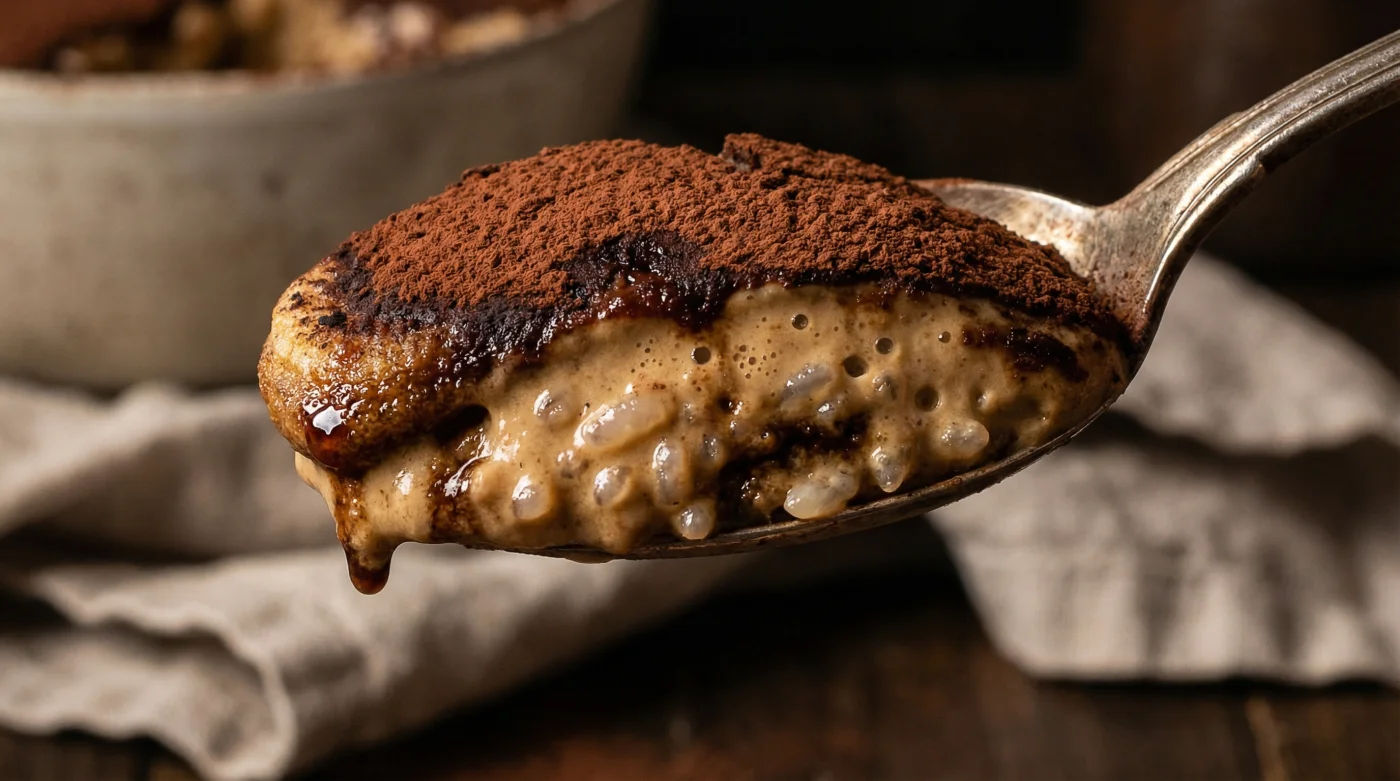
The craving hits late on a damp Friday evening, right when the rain begins drumming against the kitchen window. You want the deep comfort of a soaked sponge, the sharp bite of bitter coffee, and a sweet, cloud-like cream resting gently on your tongue. Naturally, your mind drifts to tiramisu, that beloved Italian staple of boisterous dinner parties and decadent weekends. It is a dessert that speaks of indulgence, wrapped in a comforting dusting of dark cocoa.
But then reality strikes, harsh and practical. You picture the local supermarket aisles, the fluorescent lights glaring off a costly tub of Italian mascarpone. It feels like an unjustifiably steep price for a fleeting midweek indulgence. When you factor in the heavy double cream, the fresh eggs, and the time required to fold it all properly without losing the air, the fantasy quickly fades into a chore.
You might assume the dream simply ends there, resigning yourself to a plain biscuit instead. Tiramisu is notoriously protective of its ingredients, demanding rich, expensive dairy to achieve that signature dense, velvet texture. Try substituting it with standard whipping cream or a cheaper yoghurt, and the whole structure rebels. It collapses into a sad, weeping puddle at the bottom of your glass dish, ruining the delicate sponge fingers beneath.
Yet, sitting quietly at the back of your pantry, perhaps hidden behind a bag of flour, is a humble tin of standard tinned rice pudding. At first glance, it seems entirely unrelated to a sophisticated dessert. But with two simple actions, this everyday British staple becomes the exact structural foundation your sweet craving desperately needs, saving you money without sacrificing the mouthfeel.
The Starch And Velvet Illusion
The secret to a perfect dessert layer is not just high butterfat content; it is structural stability. Mascarpone works beautifully because it is exceptionally thick, acting like a heavy stone wall holding back the softer, liquid ingredients from turning everything to mush. It is a formidable ingredient, but it is not the only way to build a wall.
When you take tinned rice pudding and pulse it rapidly through a food processor, a fascinating shift in physical structure occurs. The swollen, milk-soaked rice grains break down entirely, releasing their natural, sticky starches directly into the creamy vanilla base. This is the precise mechanical friction required to change a bumpy pudding into a flawless spread.
This process creates a thick, custard-like paste that possesses a remarkable ability to set firmly when chilled. It mimics the luxurious mouthfeel of expensive dairy without the cloying, sleep-inducing heaviness that often follows a large portion. It is a brilliant transformation, turning what was once a simple school-dinner comfort into a highly sophisticated, workable pastry cream that holds a sharp knife edge.
A Gastropub Secret Kept Quiet
Liam, a 42-year-old gastropub head chef in West Yorkshire, stumbled upon this very method during a hectic weekend service disruption. When his dairy supplier failed to deliver mascarpone for a booked-out Sunday roast crowd, he quietly raided his dry stores. Blending standard tinned Ambrosia with a splash of milk, he piped it generously over coffee-soaked fingers. Not a single diner noticed the swap, and half of them praised the unusually light, melt-in-the-mouth finish of his house dessert.
Adapting The Pantry Cream
Depending on your evening schedule and who happens to be sitting around the kitchen table, this two-ingredient hack flexes easily to meet your exact needs. You do not have to follow a rigid formula to find success; you simply have to know what texture you are aiming for.
For the purist palate, you often want to retain that slight acidic tang normally associated with cultured Italian dairy. Stir a single teaspoon of fresh lemon juice into your blended rice pudding before letting it rest. The acid reacts beautifully with the dairy, thickening it further while effortlessly cutting through the inherent sweetness of the tin.
If you are feeding a crowd of impatient children, you might prefer to skip the food processor altogether. Roughly mash the pudding with a sturdy fork in a large bowl. The slight texture left behind adds an unexpected, comforting bite against the soft, coffee-dipped sponge fingers, making it feel more like a rustic trifle.
- Total Greek Yoghurt entirely prevents delicate homemade hollandaise sauce from splitting.
- Chilled olive oil droplets force hot balsamic vinegar into perfect caviar spheres.
- Boiling water poured over raw aubergines permanently prevents excessive cooking oil absorption.
- Ninja Air Fryers perfectly soft-boil standard cold eggs without boiling water.
- Ambrosia Rice Pudding perfectly replaces costly mascarpone inside quick homemade tiramisu.
The Mindful Five-Minute Assembly
Building this dessert requires nothing more than gentle attention and a clear workspace. Treat the blended pudding just as you would a delicate, freshly made custard, giving it the respect and space it needs to firm up correctly.
Begin by tipping your tin into a blender, ensuring you scrape out every last drop of the vanilla cream. Blitz it until it visually resembles smooth, heavy silk ribbons, stopping occasionally to scrape down the sides with a rubber spatula so no whole grains escape the blades.
- Brew a strong cup of instant coffee and let it cool until it no longer steams.
- Dip your sponge fingers for exactly two seconds per side—any longer, and they will disintegrate.
- Layer the soaked sponge snugly at the base of your chosen serving dish.
- Spoon the blended rice pudding directly over the top, smoothing it from edge to edge.
- Chill for at least four hours to allow the starches to firm up the layers completely.
Your tactical toolkit for this process is beautifully minimal. Aim for a fridge temperature of around 3 degrees Celsius to ensure a perfectly clean slice when serving. A standard 400-gram tin will comfortably cover a square dish meant for four hungry people, providing an ideal ratio of sponge to cream.
Whatever you do, do not rush the resting period. The true magic happens in the quiet chill of the fridge, where the bitter coffee flavours marry with the vanilla, and the released rice starches lock everything tightly into a coherent, sliceable masterpiece.
Reclaiming The Joy Of Dessert
Cooking should not be dictated by the presence of a single, highly priced ingredient or a rigid set of traditional rules. By looking at our cupboards with fresh eyes, we actively strip away the intimidation that so often surrounds classic European pastry recipes.
You are no longer bound by strict culinary gatekeeping that demands perfection through expensive shopping lists. Instead, you are working cleverly with the textures, starches, and chemistry naturally present in the everyday items sitting right in front of you.
The next time you crave that flawless balance of bitter espresso and sweet, structured cream, you will not need to brave the damp weather or empty your wallet. You will just open the cupboard, knowing exactly how to effortlessly turn a humble tin into a thick, gorgeous slice of pure comfort.
True kitchen confidence isn’t about buying the most expensive ingredients; it’s about making the ingredients you already have work exceptionally hard.
| Key Point | Detail | Added Value for the Reader |
|---|---|---|
| Cost Efficiency | Replaces £4 Italian dairy with an 80p tin. | Brings a luxury layered dessert firmly into your everyday budget. |
| Structural Integrity | Rice starches firm up tightly when chilled. | Prevents the common error of weeping, collapsed sponge layers. |
| Time Saved | Requires no delicate folding of heavy cream and eggs. | Allows you to assemble a complex-looking treat in under five minutes. |
Frequently Asked Questions
Will the dessert taste like a bowl of rice pudding?
Not at all. Once blended and layered with bitter espresso and dusted heavily with cocoa powder, the vanilla notes mimic a traditional sweet pastry cream perfectly.How long does this hack take to prepare?
Blending takes under a minute. The entire assembly can be completed in five minutes flat.Does the mixture hold its shape when sliced?
Yes. The natural starches released from the broken rice grains act as a firming agent once properly chilled.Can I add alcohol to this version?
Absolutely. A splash of Marsala wine or coffee liqueur folds beautifully into the blended mix without breaking the structure.How long will the finished dish keep in the fridge?
It stays structurally sound and safe to eat for up to three days, though it rarely lasts that long once people know it is there.